
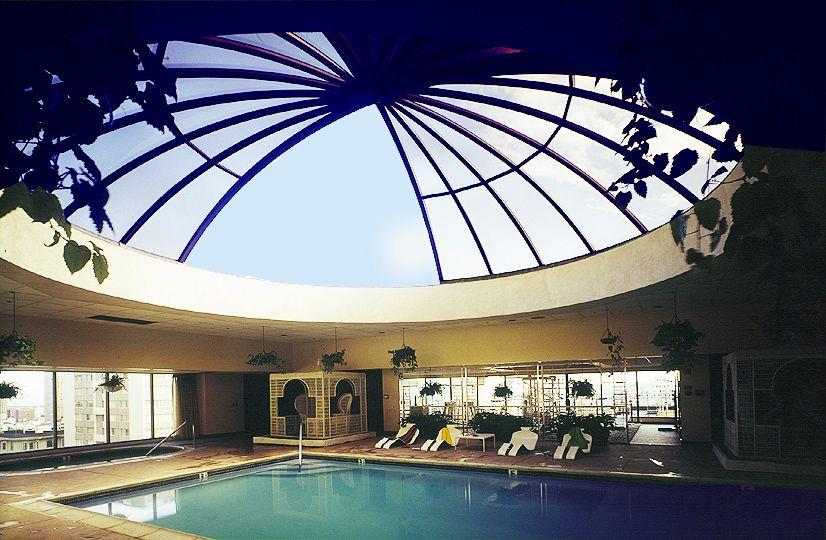
Knowing how to choose a quality retractable glass roof can save you from years of maintenance headaches, mechanical failures, and water damage. Whether you are a homeowner planning an atrium conversion in the Bay Area or an architect specifying an operable roof for a commercial project, the differences between systems are not always visible in a brochure. They are embedded in the frame material, the drive mechanism, the weather sealing, and the company that stands behind the product. This guide breaks down the six engineering criteria that separate retractable glass roofs built to last decades from those that may not survive their first winter.
How to Choose a Quality Retractable Glass Roof: Start With Frame Material
The frame is the structural foundation of any retractable glass roof, and the material it is made from determines how the system will perform over decades of daily use. Look for galvanized or stainless steel construction.
Many competing systems use lighter-gauge aluminum extrusions. Aluminum is lighter, which can simplify shipping and reduce upfront costs. However, aluminum flexes more under load and is more susceptible to long-term fatigue at connection points. Over years of repeated opening and closing cycles, that flexibility can compromise the seal between moving and stationary sections.
Frame rigidity also directly affects glazing performance. When a frame deflects, even slightly, it can widen the gap between glass panels and the structural members, creating paths for water and air infiltration that worsen over time.
A steel frame retractable roof delivers the rigidity needed to maintain tight tolerances across the life of the system. Galvanized steel resists corrosion, handles structural loads with less deflection, and keeps the glazing and drive mechanism in proper alignment year after year.
Rollamatic Roofs builds every system on a galvanized or stainless steel frame, selected based on the application and environment. Systems Rollamatic installed in the 1960s are still operating on their original steel frames, which speaks directly to the material’s long-term performance. You can explore the full range of retractable roof configuration options to see how frame material supports each design.
When evaluating any manufacturer, ask: what material is the frame? How thick is the structural member? And can they point to installations that have been in service for decades?
Direct Drive Retractable Roof vs. Cable, Rack-and-Pinion, or Gear Systems
The drive system is the mechanical heart of any retractable glass roof. It determines how smoothly the roof opens, how quietly it runs, and how often you will need to call for service.
A direct drive retractable roof mounts the drive system directly to the moving section of the roof. There are no chains, pulleys, cable drives, or rack-and-pinion mechanisms between the motor and the panel. Fewer moving parts means fewer points of failure, less maintenance, and quieter operation over time.
Many competing systems rely on cable drives, gear mechanisms, or rack-and-pinion assemblies. These designs introduce tension points, alignment dependencies, and parts that wear with use. When they fail, repairs may require partial disassembly of the roof and replacement of proprietary components.
Rollamatic’s direct drive system has been refined over six+ decades of continuous use in California. The result is smooth, quiet, and virtually maintenance-free operation. This is one of the clearest quality signals when evaluating a retractable glass roof: a system engineered for long-term performance versus one designed primarily to a price point.
When comparing drive systems, ask the manufacturer: what type of drive mechanism do you use? Are there chains, cables, or gears involved? And what is the typical maintenance schedule over the first ten years?
Does a Retractable Glass Roof Leak? How Weather Sealing Works
Leaks are the number-one concern buyers raise about retractable glass roofs. In most cases, water intrusion traces back to two root causes: inadequate frame materials or imprecise installation.
A quality retractable glass roof is engineered to shed water in every position and seal completely when closed. That means the frame tolerances, gasket materials, glazing integration, and drainage channels all need to work together with precision. When any one of these elements is compromised, water finds its way in.
Installation quality is especially critical. A system that is precisely engineered in the factory can still underperform if the on-site installation is not held to the same standard. This is one reason why manufacturers that control both fabrication and installation tend to deliver more reliable weather performance.
Rollamatic backs every system with an exclusive water-tight guarantee. This level of confidence is possible because the company controls the entire process: engineering, fabrication, and installation. The tight tolerances maintained by the steel frame and the precision alignment of the direct drive system keep all sealing surfaces in contact over decades of use. Rollamatic has been fine-tuning this manufacturing process in California since 1958.
When comparing manufacturers, ask specifically about water and weather warranties. A general product warranty may not cover water intrusion. A manufacturer willing to guarantee water-tight performance is communicating something important about the precision of their engineering and their confidence in their installation team.
Custom Design-Build Retractable Roof vs. Off-the-Shelf Systems
A custom design-build retractable roof is engineered from the ground up for your specific structure. Every opening size, roof pitch, wind load, and aesthetic requirement is addressed during the engineering phase, not worked around with adapters or standard-size components.
Many manufacturers offer retractable roofs as one product in a broader catalog of skylights, glazing systems, or enclosures. That breadth may come at the cost of specialization. When a retractable roof is a secondary product line, the engineering depth and installation expertise may not match what a dedicated manufacturer delivers.
Rollamatic has built one product since 1958. Every system is designed, fabricated, assembled, and tested in California. Plus, we install most systems ourselves. This approach minimizes the handoff gaps that occur when one company designs, another fabricates, and a third installs. Rollamatic provides shop drawings and engineering documentation, and coordinates with your architect or structural engineer throughout the project. You can learn more about the performance and energy benefits of a retractable roof that result from this integrated approach.
For architects, a design-build manufacturer means a partner who provides drawings, responds to plan check comments, and makes your design buildable. For homeowners, it means a single point of accountability from the first consultation through final inspection. That continuity matters when you are investing in a retractable roof system you expect to use for decades.
Track Record: What Over Six Decades of Retractable Roofs in California Tells You
Evaluating a quality retractable glass roof manufacturer means looking at track record, not just product specifications. Three data points matter most: how long the company has been in business, how many systems it has installed, and whether it can show you installations still operating after decades of use.
Rollamatic Roofs has been in California since 1958, founded by architect David S. Miller in San Francisco. The company has installed more than 2,500 retractable roof systems, ranging from 25-square-foot residential openings to large-scale commercial projects. Systems installed in the 1960s are still in regular operation today. You can read more about the company’s history and engineering heritage.
The standard retractable roof warranty from Rollamatic is five years, backed by the company’s exclusive water-tight guarantee. Equally important is the stability of ownership. The Roberts family has owned and operated Rollamatic for over 25 years, carrying forward the founding mission of merging engineering precision with architectural beauty.
John Andrews, an architect and general contractor who has specified Rollamatic systems, described his experience: “A Rollamatic operable skylight bathed my house in natural sunlight, added exceptional air quality, and definitely wowed my guests. Since then, I have installed 10 for clients and have five pending projects.”
When evaluating manufacturers, look beyond the warranty term. Ask about ownership stability, total install count, and whether the company controls its own design, fabrication, and installation process.
Controls and Safety: Motorized Operation, Sensors, and Momentary Switches
Motorized retractable glass roof systems provide convenient, push-button operation. However, the control configuration matters for both daily usability and long-term safety.
Look for systems that offer rain and wind sensors for automated weather response. Rain sensors can close the roof automatically when a storm arrives, protecting interior finishes and furnishings. Wind sensors can retract the roof when conditions exceed safe operating thresholds, protecting both the system and the building interior.
That said, automated controls must always be considered carefully. Rollamatic recommends momentary control switches within sight of the system as the safest control option. A momentary switch requires the operator to hold the button while the roof moves, ensuring full visual contact during the entire operation. This is a safety measure that responsible manufacturers prioritize, particularly for residential installations.
The best motorized retractable glass roof systems also integrate with building management systems and smart home platforms. Rollamatic systems are compatible with remote controls, wall switches, and smartphone apps. For commercial projects, this integration supports LEED green building standards by enabling automated natural ventilation and daylighting strategies.
A dedicated electrical circuit is typically required for any motorized retractable glass roof. For residential installations, a standard 20-amp, 120-volt circuit is usually sufficient. Your manufacturer should confirm the electrical requirements during the design phase.
Frequently Asked Questions
What makes one retractable roof better than another?
Frame material, drive system type, weather sealing, and manufacturing specialization are the four criteria that most clearly separate system quality. A retractable roof built on galvanized steel with a direct drive mechanism will outperform a lighter aluminum system with cable or gear drives over decades of use. Look for a manufacturer willing to back its system with a specific water-tight guarantee, not just a general product warranty.
Are steel-framed retractable roofs worth the investment?
Galvanized or stainless steel frames provide greater structural rigidity than lighter-gauge aluminum. That rigidity maintains tight tolerances over decades, keeping glazing sealed and the drive system properly aligned. Rollamatic has steel-framed systems from the 1960s that are still in daily operation, which demonstrates the long-term value of the material choice.
How long should a retractable glass roof last?
A well-engineered retractable glass roof should last decades with proper maintenance. Rollamatic has systems installed in the 1960s that remain in regular use today. The keys to longevity are galvanized steel frame construction, a direct drive mechanism with no chains or cables, and professional installation by a manufacturer that controls its own process from design through final inspection.
What should I ask a manufacturer before buying a retractable glass roof?
Ask about frame material (galvanized steel vs. aluminum), drive system type (direct drive vs. cable, gear, or rack-and-pinion), water and weather warranty specifics, total years in business, number of installations completed, and whether the company designs, fabricates, and installs its own systems. A manufacturer that controls the full process from consultation through installation is better positioned to stand behind its product for the long term.
Now that you know how to choose a quality retractable glass roof, the next step is a conversation with a manufacturer that meets these criteria. Rollamatic Roofs has been building retractable roof systems in California since 1958, with more than 2,500 installations and an exclusive water-tight guarantee on every system. Request a free consultation or call 800-345-7392 to discuss your project.